Coast to Coast Accommodation
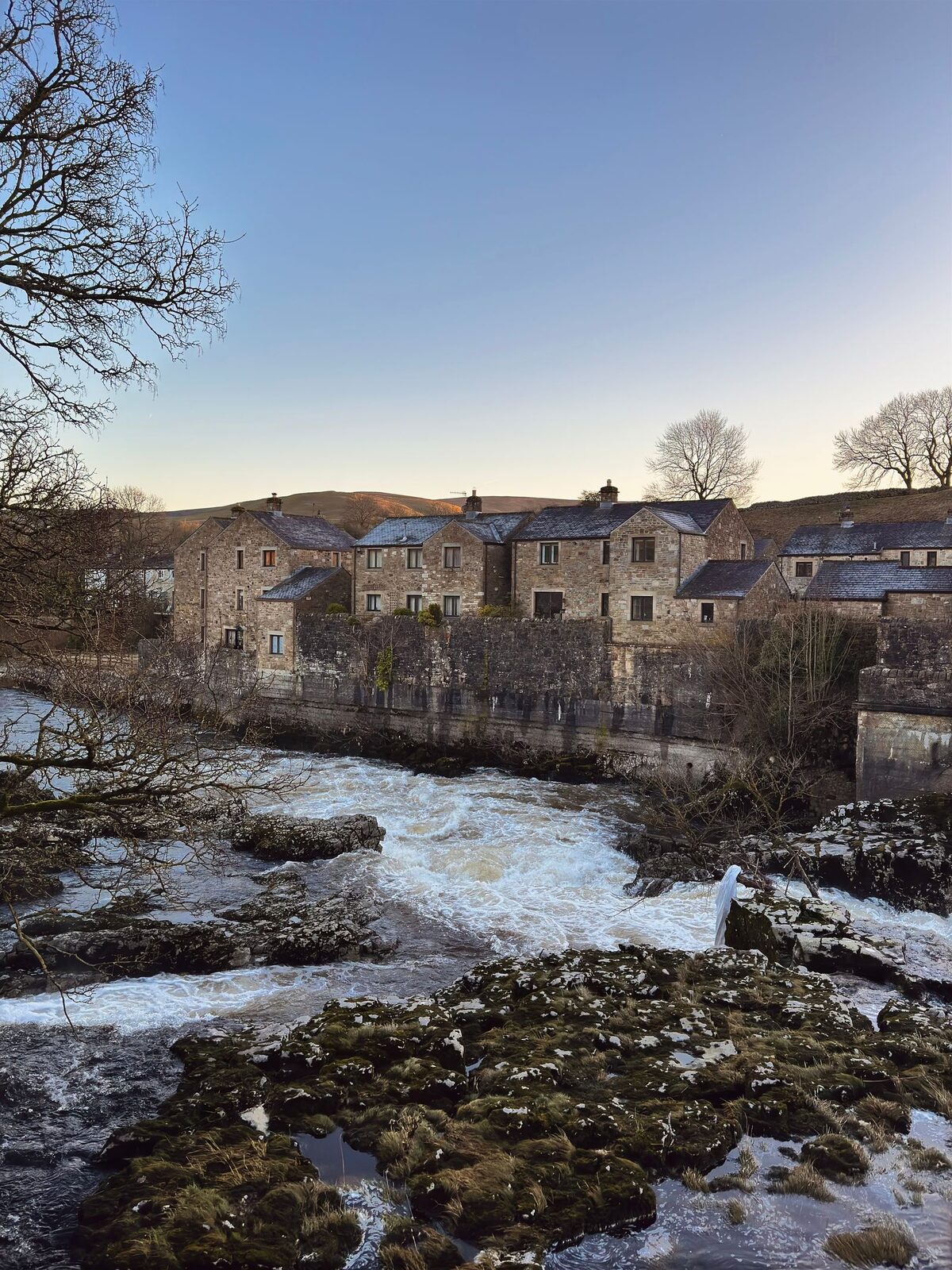
You do not need a tent to walk the Coast to Coast. The route was laid out village to village across northern England, and almost every standard stage end has a bed — usually a bed and breakfast or a room above a pub. The catch is not availability but timing: this is one of the few British trails where booking the whole route before you leave home is normal.
What you actually sleep in
The Coast to Coast is a village-to-village walk, and its accommodation reflects that. Of the places currently in our directory, the split is roughly half inns and small hotels, a quarter bed and breakfasts, and the rest hostels and campsites. There is no need to carry a tent unless you want to.
Bed and breakfast the classic
A room in someone's house or a small guesthouse, with a cooked breakfast that will comfortably carry you to lunch. Places like Ashfield House, Brookfield House, Fletcher House and Gillercombe are the type — a handful of rooms, run by people who have watched walkers come through for years and will dry your boots without being asked.
Village inns and small hotels most common
The largest single category. A room above a pub, with dinner downstairs and no need to walk anywhere else in the evening — Fox and Hounds Inn, Golden Lion, Horseshoe Hotel, or something grander like Hazel Bank Country House. On a wet day in the Lakes, being able to eat without going back outside is worth more than it sounds.
Hostels and bunkhouses budget
Independent hostels, bunkbarns and the occasional YHA — Thorney How near Grasmere, Kirkby Stephen Hostel, Cote Ghyll Mill, Dales Bike Centre. Dorms, a drying room and a kitchen. The cheapest roof on the route and, in the middle sections, sometimes the only one.
Camping sparse
Genuinely thin on this route — we currently list only a few, such as Side Farm at Patterdale, Cote Ghyll and Lordstones Country Park on the Cleveland Hills. Plan camping nights around specific sites rather than assuming you will find one.
Book earlier than you think
This is the single most common mistake on the Coast to Coast. The route crosses three national parks through villages with a few dozen beds between them, and it is walked by a lot of people in a short season. In midsummer, and on any weekend from May to September, beds in the small settlements go weeks ahead — not days. Booking the whole route before you set off is normal here, and it is why so many walkers use a company to arrange it.
The pinch points are the small places rather than the towns: Grasmere and Patterdale in the Lakes, and the Swaledale villages. Kirkby Stephen, Richmond and Reeth give you more to choose from.
Baggage transfer
Widely used on this trail and worth considering. A van moves your main bag to the next night's stop while you walk with a daypack. It changes the walk considerably — the Lakeland days in particular are a different proposition without a full pack — and most B&Bs on the route are used to handling bags that arrive before their owner.
Where the route puts you each night
The classic schedule runs from St Bees on the Irish Sea to Robin Hood's Bay on the North Sea, and the standard stage ends are where the beds are. Our stage guide lists each day's start and finish; the stays directory shows what is available at each.
A note on Wainwright's route. The Coast to Coast is not a single waymarked line — there are long-standing variants, particularly across the Lake District and over the moors. Check which version your accommodation sits on before booking; two places a mile apart on the map can be an hour's detour on the ground.
Frequently asked questions
Where do you stay on the Coast to Coast walk?
Mostly in B&Bs and village inns. The route runs settlement to settlement across northern England, and almost every standard stage end has somewhere to sleep — a room above a pub, a small guesthouse, or an independent hostel or bunkbarn. Camping is possible but sparse; there are far fewer campsites than beds.
How far in advance should I book Coast to Coast accommodation?
Further ahead than most long-distance trails. The villages are small, the season is short and the route is popular, so beds in places like Grasmere, Patterdale and the Swaledale villages go weeks ahead in summer and on weekends. Booking the entire route before you leave home is normal practice on this walk.
Can you walk the Coast to Coast without booking ahead?
In the shoulder months, in the larger towns, sometimes. In July and August, in the small villages, you are taking a real risk — the next bed may be several hours' walk further on. If you want flexibility, carry a tent and treat indoor nights as a bonus rather than the plan.
Is baggage transfer available on the Coast to Coast?
Yes, and it is widely used. Your main bag is moved to the next night's accommodation while you walk with a daypack. Most accommodation on the route is used to receiving bags ahead of their owners.
Do you need to camp on the Coast to Coast?
No. The route was designed around villages and there is indoor accommodation at or near every standard stage end. Camping is a choice rather than a necessity, and campsites are noticeably thinner on the ground than beds.
Every bed we know about is in the stays directory — filter by type, facilities and where it sits on the route. Listings come from the same database this page is written from, so it stays current as places are added.
